Seasonal City Mapping: What Changes in Summer vs Winter Travel Routes
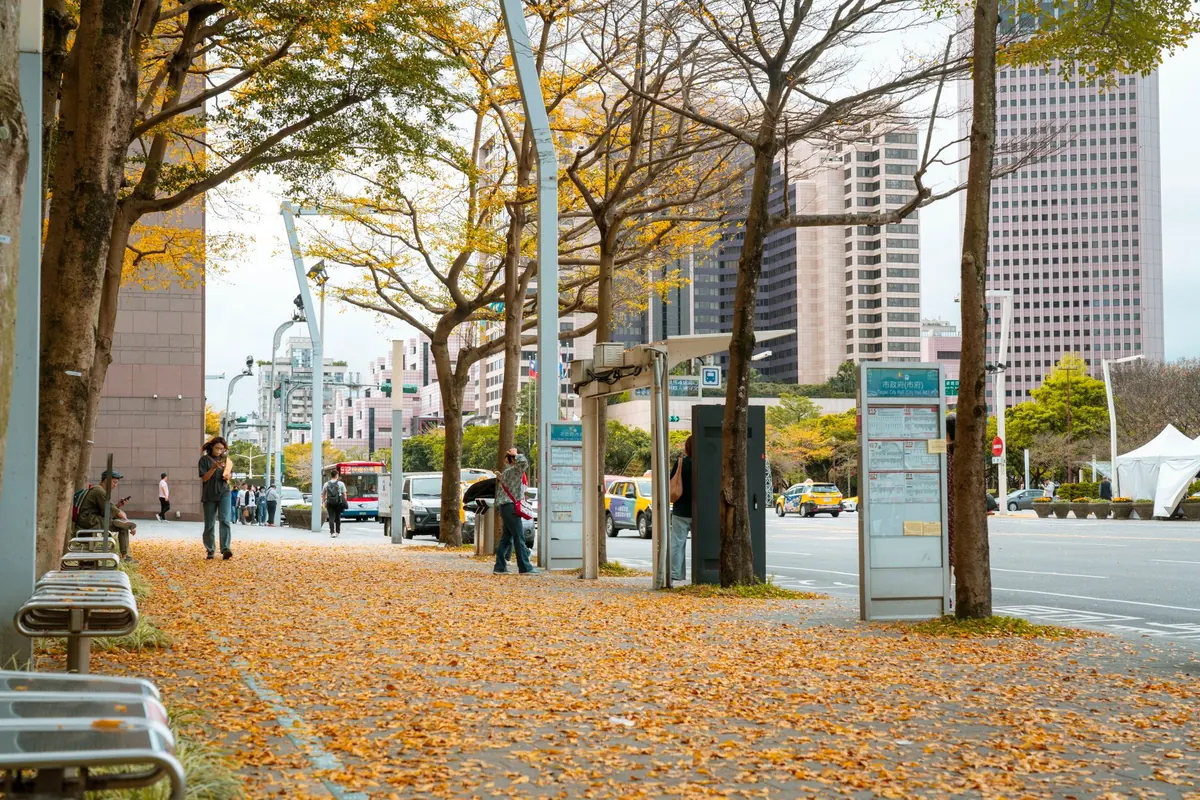
A walking route you saved in March can feel like a different street in July. The distance is identical; the experience is not. One version has shade, open cafés and light until ten; the other has you squinting down a sunlit boulevard at two in the afternoon, passing shuttered kiosks on the way to a museum that closed early.
Season-aware routing is less a feature you switch on than a question you learn to ask. After "how far is it?", ask "what will this feel like in this month, at this hour?" The answer usually changes two or three legs of the journey, and it saves you far more than the extra few minutes those legs cost.
In summer, start with the sun rather than the distance. The most direct line between two points is often the least shaded one, and a boulevard under mature plane trees can be a block longer and still the better route. On a map, look for green: parks with old trees, garden squares, riverbanks, rows of street trees. Then look at the buildings. A narrow street with tall facades on both sides holds shade far longer than a wide open square, and arcades, covered markets and porticoes are gifts in a hot city.
The other lever is time. A route that is punishing at midday is pleasant at eight in the morning, and many cities change character completely after seven in the evening. If you have one long walk in the plan, move it to the edge of the day and keep the middle for interiors: museums, churches, markets, a long lunch. Where the map shows a metro or tram covering a dull twenty-minute stretch, take it — public transport is a legitimate seasonal routing tool, not a defeat.
If heat is a genuine health risk for you, treat the route as a medical question as much as a practical one and speak to a doctor about your limits before you travel.
Winter compresses everything. In many northern European cities the sun is gone by half past four in December, which turns route planning into timing planning: the long walk goes at one, the museum at three, the market at five, and the last stretch home happens on a street you already know. Summer does the opposite and hands you an extra evening — but it also means parks, gardens and gated courtyards open and close on schedules that have nothing to do with when you feel like walking.
Look at lighting, not just distance, for anything after dark. A route across a park that is charming at noon can be empty and unlit at nine, while the longer way along a main street with shops and traffic feels entirely fine. Street-level imagery on most map tools was captured in daylight, so it will not tell you how a path is lit. Satellite view can show you where the tree cover ends; local advice, a hotel desk or a quick look at recent photos will tell you the rest. When in doubt in an unfamiliar city, choose the busier, better-lit line and save the shortcut for daylight.
Most route failures are not about weather at all — they are about a gate that was locked. Seasonal openings and closures are easy to miss because the pin on your map keeps its cheerful little icon all year. Mountain passes and cable cars close for snow. Lake ferries and beach boats run only in the warm months. Lidos, open-air pools and beach bars disappear in October; Christmas markets appear in December and vanish in January. Gardens close earlier in winter, fountains get switched off in dry summers, and restaurants drop their terraces and shorten their kitchens out of season.
Transport changes too. Summer timetables, reduced Sunday service and public holidays can quietly remove the bus you were counting on. Check the operator's own page rather than a third-party listing, and check it again the day before. If a route depends on exactly one boat, one cable car or one late bus, build a second version that does not.
Peak season routing is less about avoiding people than about avoiding the queues that eat whole hours. A single bottleneck — one bridge, one gate, one ticket line — can double the time a leg actually takes. The fix is almost always to change the order of the day rather than the map: put the famous thing first, at opening, then move outward as the crowds arrive. Two blocks off a busy corridor is usually calm, and a market that is unbearable on Saturday morning is a pleasure on Tuesday.
Festivals, cruise-ship days and holiday weekends reshape a city for a few hours at a time. Ask locally what days are busiest and plan the flexible parts of your route around them. A route that bends around one crowded square is worth more than a perfect straight line through it.
The practical version of all this is simple: keep a warm-season route and a cold-season route for the same city, and let them share most of their bones.
Before you commit a route to the day, run through four questions. What time does the sun become a problem here, and is the route shaded at that hour? When does daylight end, and is the evening leg on a lit, busy street? Which stop on this line depends on something that only opens part of the year, and have I confirmed it with the operator? And where is the one place everyone else will also be at eleven in the morning?
Answer those honestly and you will rarely need to replan on your feet. The city will still be the city — it just looks different depending on the month, and the good route is the one that admits it.
Photo: Jimmy Liao / Pexels
Previous Post
How to Save Offline Maps for a Remote Weekend Trip
Next Post
How to Find Local Food Markets Using Map Filters