How to Find Local Food Markets Using Map Filters
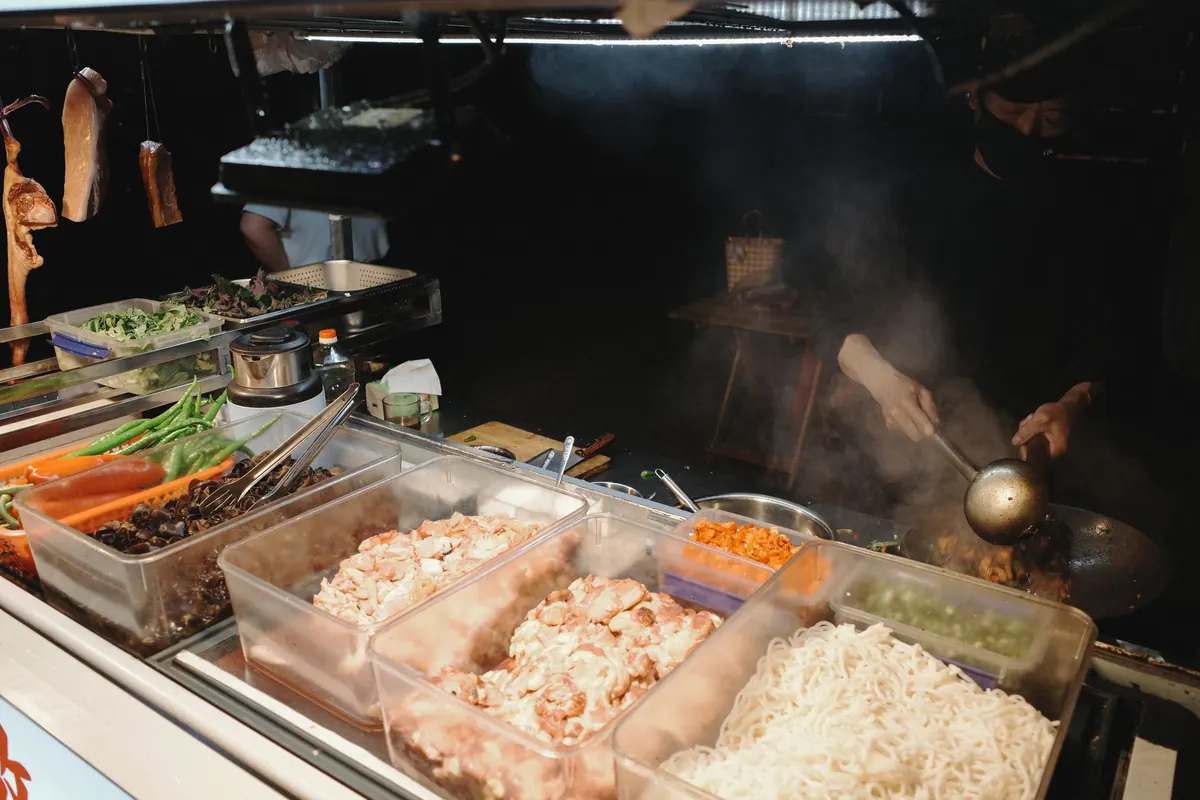
A good food market rarely announces itself. It happens on a Tuesday morning under striped awnings behind a church, or in a concrete hall that smells of diesel and ripe cheese, and it will never appear on the first page of results for "best food market near me." Map apps can still get you there, but only if you treat the filters, hours and review text as evidence rather than decoration. What follows is the routine worth running whenever you land somewhere new and want to eat the way the neighbourhood eats.
The search box does more work than any filter, and most people use it badly. Type "food market" and the app will happily hand you a supermarket with a deli counter and a covered hall selling fridge magnets. Both are technically food markets. Neither is what you meant.
Search the way a resident would:
Try two or three of those and compare results. If the same five pins keep surfacing, widen the radius by a kilometre or two and run it again. City-centre results skew hard toward what visitors search for, while the useful ones tend to sit just outside that ring.
Map filters are not all equal. Some genuinely narrow the field. Others simply repaint the pins in a different colour.
Sort by rating and you will bury the best stall in the district under a gift shop with a smoothie counter and a well-managed online presence. A pin with no rating at all, dropped by someone who lives two streets away, is often the more promising lead. Treat filters as a way of reducing noise, not as a ranking of quality.
Markets are among the worst-documented businesses on any map. They shift with weather, harvests, religious calendars and the mood of a city council. The listed hours are frequently crowdsourced, copied from a sign photographed three years ago, or inherited from a stall that has since changed hands.
So cross-check. If the map says six in the morning until two in the afternoon, and the vendor's own recent post says "back on Thursday", the post wins. Watch for the small print:
A market that closes at two is finished by noon. Plan backwards from the vendors' day, not from the visitors'.
Reviews are most useful read as complaints. What irritates a casual visitor is often exactly what makes a market worth the trip.
Both lists mislead in small doses. Single out the last two months rather than the top three reviews, and pay attention to anything posted by someone who mentions living nearby.
Switch to satellite and look properly. Stalls, awnings, van parking, loading bays and stacked crates all leave marks. A weekly street market leaves a ghost on the ground: worn paint, permanent barriers, bolted-down bins, faded markings on the asphalt. If you can see those, you have found a market that exists whether or not it is well indexed.
Street view answers the next question, which is what kind of place you are walking into. Is it a pedestrian square with shade, or a traffic island with a single bench? Does the market spill across a road, or sit tucked behind a station? Then check walking and transit times rather than driving times. Vendors and regulars mostly arrive on foot, and so should you.
Two markets in a morning is plenty. Arrive early, walk the whole length before you buy anything, and let the place tell you how it works.
Everything above compresses into a short sequence you can run over coffee:
The map gets you to the corner. Everything after that is done by walking in, saying good morning, and asking what looks good today.
Photo: JUNLIN ZOU / Pexels
Previous Post
Seasonal City Mapping: What Changes in Summer vs Winter Travel Routes
Next Post
A Checklist for Testing a New Map App Before You Rely on It