10 Map Layers Every Traveler Should Check Before Booking a Hotel

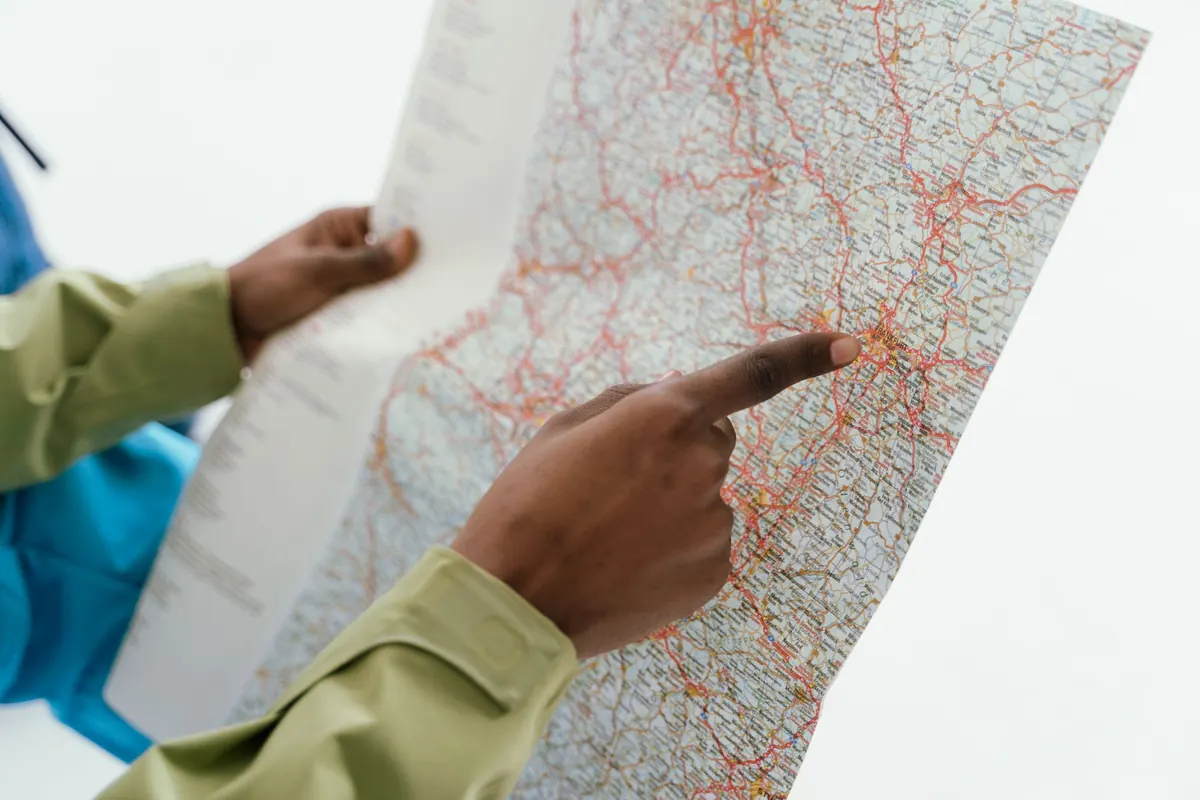
Hotel listings usually show the same three things: a price, a gallery of photos, and a pin on a map. The photos are chosen. The price is negotiable. The pin, though, sits there quietly doing real work, and most people barely look at it. It tells you the address, not whether a tram squeals past the window at six in the morning, or whether the nearest supermarket is a twenty-minute walk through an underpass. Map layers fill in that gap, and almost all of them are free, sitting behind a single tap in any mapping app. Here is the set worth switching on before you commit a card to a booking.
"Four hundred metres from the station" reads well in a listing and can mean anything. It might be a straight, flat two-minute stroll to a side entrance. It might also be a twelve-minute loop around a rail yard to reach the only entrance that serves your platform.
Turn on the public transport layer and look at three things. First, the entrances, not the station itself. Large stations have several, and the one nearest your hotel may only open on weekdays, or only serve one line. Second, the lines. A metro stop with a single line is a different proposition from a junction where four lines meet, especially if you plan to come back late. Third, the last service. Tap the station and check when trains stop running. In many cities the gap between the last metro and a taxi is where budgets quietly go wrong.
Do the same for the airport leg. A hotel that looks close to the airport on a map can be the wrong side of a motorway with no pedestrian crossing, which turns a cheap-looking stay into a taxi ride each way. Look for a shuttle stop, a rail link or a bus route before you assume.
Switch to satellite view and zoom in until you can see the street layout. Then look for the things that do not appear on the standard map: elevated highways, tram lines that run along the street outside the front door, railway tracks at the end of the block, a fire station, a hospital with a helipad, a schoolyard, a covered market. Any of these changes the character of a street, and none of them shows up in a hotel's photo set.
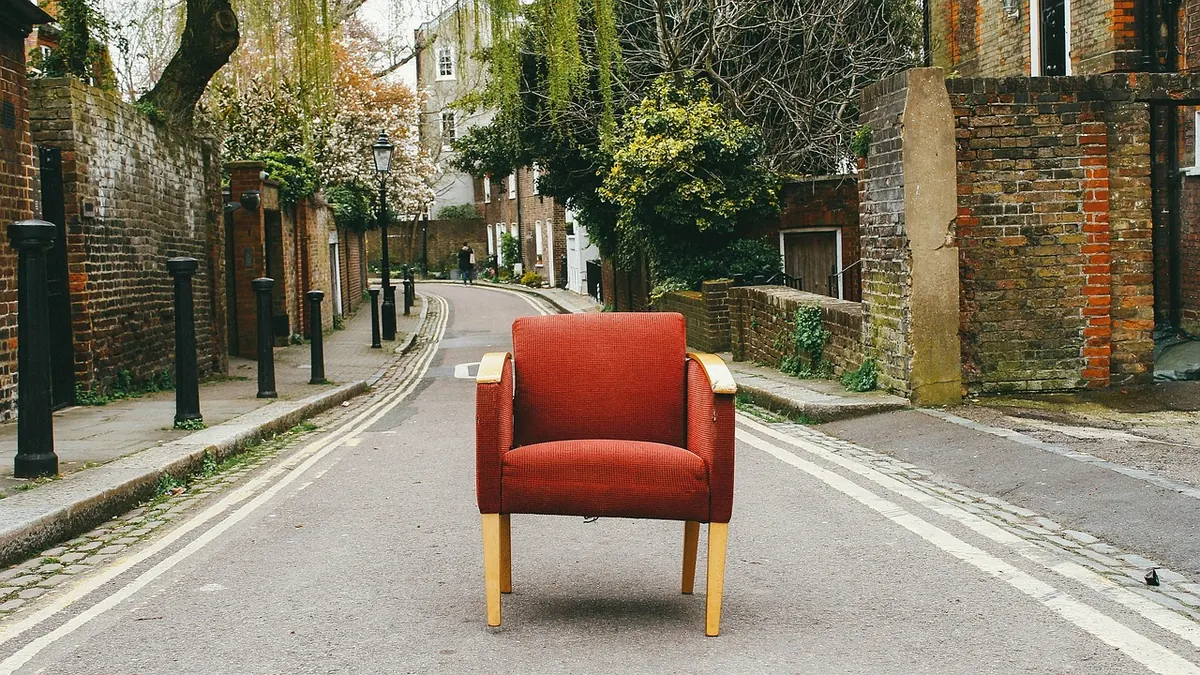
Context matters too. Bar streets are obvious, but the delivery trucks that serve them arrive at five in the morning. A hotel on a pedestrianised lane can be blissfully quiet at night and deafening at eight, when the shutters go up and the crates come off the van. Buildings with a rooftop bar are worth checking in the other direction: the rooms on the top floor are sometimes the closest to the speakers.
Then read reviews with a search, not from the top. Filter for the word "noise", and read the three-star reviews first — that is where people are specific rather than either delighted or furious. If several guests mention traffic or thin walls, believe them, and ask for a room at the back when you book.
If you are sensitive to sound, pack earplugs regardless. No map layer beats a pair of foam plugs and a room away from the street.
A park on the map is a good sign until you zoom in and find it is a golf course, a private square with a key, a cemetery, or a brownfield site that a map renders green because it is not a building. Satellite view settles this in seconds: look for paths, benches, trees and gates rather than a flat colour block.
Public green space earns its place on your checklist for practical reasons. It gives you a place to run or walk before breakfast, a bench for a picnic lunch, and a route that avoids traffic. It also has a second life you should know about: parks host weekend festivals, markets and open-air concerts. That is a bonus if you are travelling for the event and a nuisance if you are not.
Turn on the layer for bars, clubs and restaurants and look at density, not just proximity. A single lively street two blocks away is pleasant. A cluster of venues on all four sides is a different kind of stay. Check the closing times shown on the map where they exist, and look at whether the venues are spread along your street or tucked behind the hotel.
If you are booking for the nightlife, use the same layer the other way round: a hotel inside the cluster means you walk home, and a hotel two streets out means you sleep. Both are legitimate choices. Just make the choice on purpose rather than discovering it at 2 a.m. with a bassline through the floor.
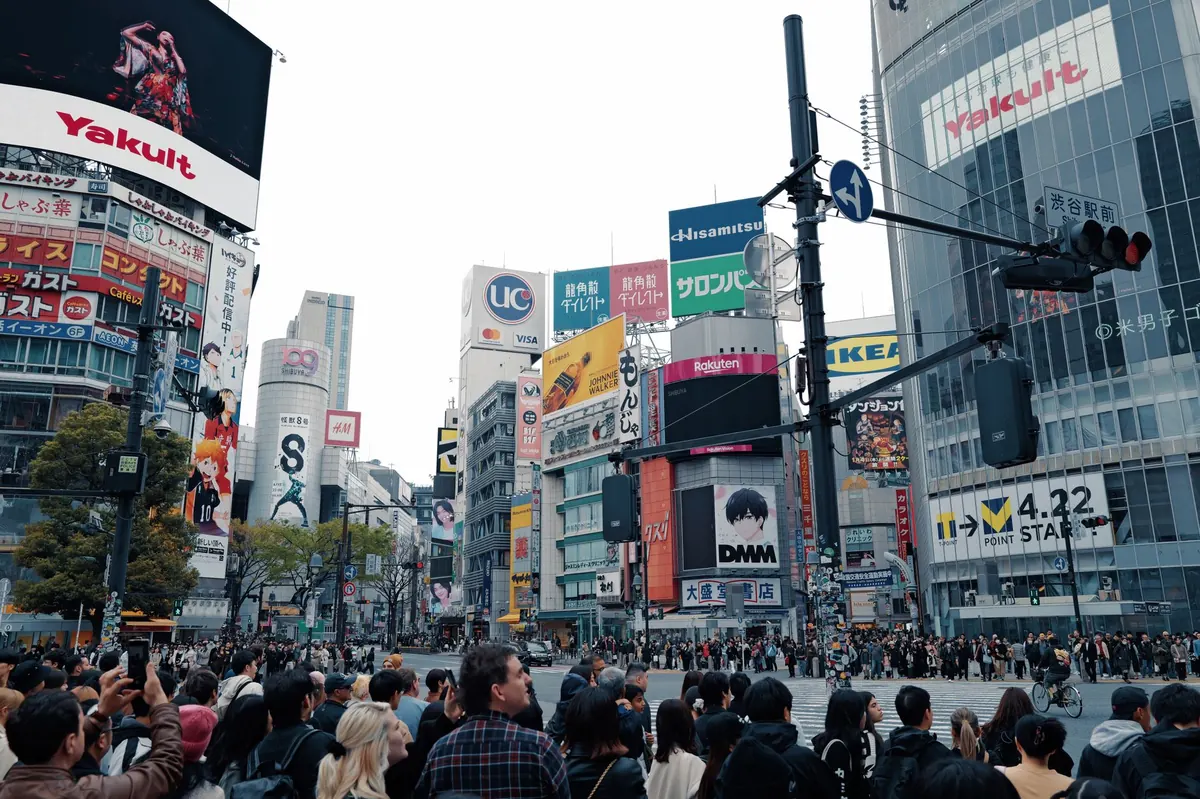
Tourist districts are often beautiful and useless. They have gelato and souvenir shops and no supermarket within a kilometre. Before you book, switch on the layer for shops and check for a grocery store, a pharmacy and a cash machine within a few minutes' walk. You will use all three more often than you expect, particularly on the first evening when you arrive tired and just want water, fruit and something for breakfast.
Check opening hours at the same time. In much of Europe, Sunday closures are normal, and a small shop that looks convenient may shut at seven on weekdays. A twenty-four-hour kiosk two blocks away is worth more than a supermarket that is closed when you need it.
The final layer is the street view, and it is the one that saves the most bookings. Drop the little figure onto the pavement outside the address and take a slow look in both directions. You are checking for scaffolding, boarded-up buildings, a car park, a bus depot, or a stretch of road that looks uncomfortable to walk at night. Renovation work is temporary, but it can last your whole trip, so read recent reviews for mentions of it.
While you are there, confirm the pin. Hotels are sometimes plotted on their reception building, sometimes on a back entrance, and occasionally on the middle of the street. Check the address against the map and, if the listing shows a photo of the facade, match it to what the camera sees. Street view images can be several years old, so treat them as a guide to the shape of the area rather than a live feed.
None of this takes long once you have done it a couple of times. A short sequence, run in one sitting:
A hotel is not just a room; it is a position on a map for every hour of your trip. The layers take five minutes and tell you more than another twenty photos ever will.
Photo: dapple-designers / Pixabay
Previous Post
Smart Maps vs Paper Maps: Which Is Better for Weekend Travel?
Next Post
Beginner's Guide to Reading Transit Maps Without Getting Lost